
Beyond the Dream Landscapes: The Authentic Soul of Madagascar
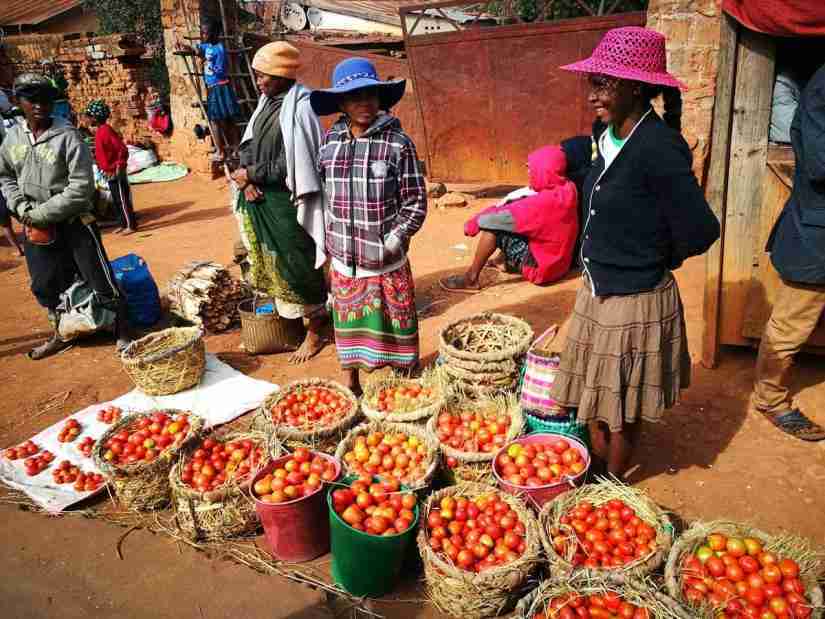
Behind its spectacular scenery and idyllic beaches, Madagascar reveals a deeply authentic soul. What truly makes this island special are its people—their hospitality, their traditions, and their connection to the land. By stepping off the beaten path, travelers discover a rich, vibrant culture, deeply rooted in nature and community. Here's a glimpse into everyday Malagasy life.
Village Life: Simplicity and Human Warmth
In bush, mountain, or coastal villages, life follows a peaceful rhythm, guided by the seasons and ancestral customs. Homes made of mud or woven wood reflect age-old know-how, perfectly adapted to the environment.
Visitors are often welcomed with a genuine smile and a warm curiosity. Here, connection is key: a meal, a story, or a song is shared without hesitation.
Beliefs and Rituals: Honoring Ancestors and Community Bonds
Malagasy culture is deeply spiritual. Ceremonies like famadihana (the turning of the bones), blessing rituals, and sacred dances are powerful moments of collective life.
Each region has its own customs and taboos, known as fady, which are important to respect in order to truly understand the local culture. Taking part in—or simply witnessing—these traditions offers a rare and meaningful immersion.
Local Handicrafts: Weaving, Carving, and Everyday Art
Craftsmanship is everywhere in Madagascar. From the traditional lamba (woven fabric) to raffia items, wood carvings, and basketry, each handmade piece tells a story of cultural identity.
In small workshops and local markets, Malagasy artisans work with patience and precision. Buying directly from them supports the local economy and allows visitors to take home a piece of true authenticity.
Everyday Cuisine: Simplicity and Generosity
Malagasy cuisine is simple but full of flavor. In villages, rice is often served with fresh vegetables, brèdes (local greens), slow-cooked meat, or dried fish. Meals are prepared over wood fires in steaming pots and served with generous hospitality.
Accepting a meal invitation means sharing much more than just food—it’s a meaningful moment of connection.
Respect for Nature and the Rhythm of Life
Nature is not just a backdrop in Madagascar—it is central to daily life. Plants are used for healing, cooking, building, and even in rituals.
People live in close harmony with their environment, and this connection influences their sense of time. Life moves at a slower pace here, allowing time to talk, to observe, and simply to be. It’s a soothing contrast to the fast pace of modern life.
Conclusion
Traveling through Madagascar means experiencing something real. Behind every smile, every tradition, and every daily gesture lies a unique human and cultural richness. Taking the time to immerse oneself in this authenticity leaves visitors with more than memories—it offers a new perspective on the world.