
Discover Nosy Hara National Park, a natural treasure in Madagascar
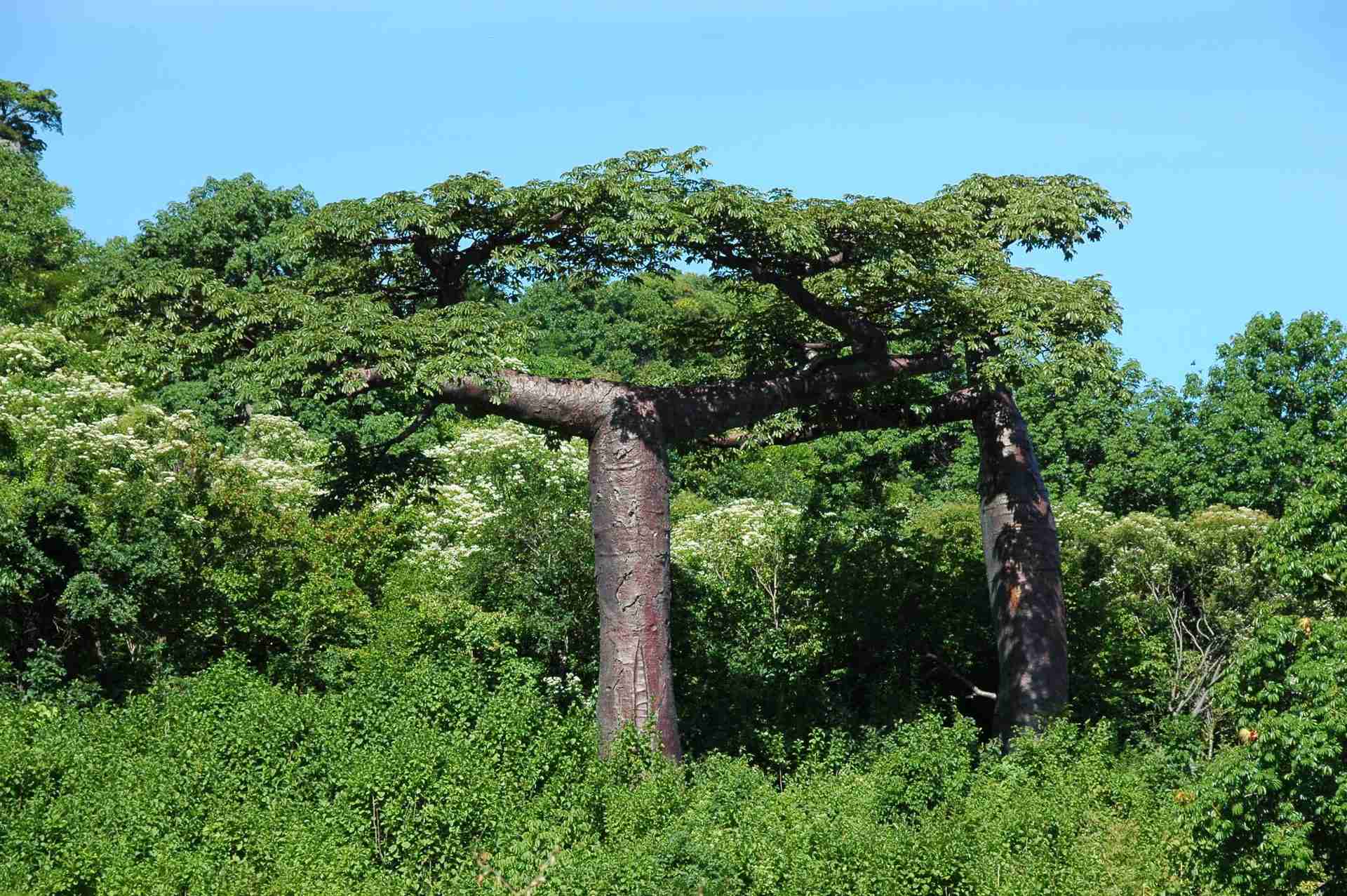
Located in the northwest of the island, Nosy Hara National Park is a spectacular blend of marine and terrestrial landscapes, teeming with exceptional wildlife and flora. In this article, we’ll explore the park’s major highlights and explain why Nosy Hara should be on your itinerary when traveling to Madagascar.
1. A Pristine Natural Site
Nosy Hara National Park spans roughly 8,000 hectares and includes a series of islands and coral reefs. Its remote location has helped preserve a unique biodiversity, with endemic species found nowhere else in the world. It is a true wildlife sanctuary where nature remains almost untouched. The area is classified as an ecological reserve, ensuring its protection while offering visitors an authentic experience.
2. Exceptional Marine Biodiversity
Nosy Hara is famous for its rich and diverse coral reefs, attracting divers and snorkelers from around the world. The crystal-clear waters are home to colorful fish, sea turtles, rays, and reef sharks. If you’re a diving enthusiast, this is the perfect place to witness fascinating marine life in a preserved environment. Whether you're a beginner or an experienced diver, the underwater treasures of Nosy Hara make it a true paradise.
3. A Birdwatcher’s Paradise
Beyond its marine life, Nosy Hara is also an ideal birdwatching destination. Due to its isolation, many endemic and migratory bird species frequent the park. You might spot rare birds such as the Madagascar Swallow, Egrets, and various species of boobies. Birdwatching is a perfect activity for nature lovers looking to experience Madagascar from a different perspective.
4. A Unique Hiking Experience
Nosy Hara isn’t just for divers—hikers will also find plenty to enjoy. Trails winding through the park’s hills and forests offer spectacular views of the Indian Ocean and surrounding islands. Walks through wild, untouched landscapes lead to incredible panoramas, with dramatic rock formations and pristine sandy beaches in the background. It’s a must-do for travelers seeking both adventure and serenity.
5. A Hub for Conservation and Environmental Education
Nosy Hara is not only a place for leisure; it plays a vital role in biodiversity conservation in Madagascar. The park is a model of sustainable management, with various conservation initiatives in place to protect its fragile ecosystems. It also offers opportunities for environmental education, helping visitors learn about the island’s fauna and flora. Those interested in contributing to the preservation of this unique environment can take part in awareness activities during their stay.
6. How to Get to Nosy Hara
The park is accessible by boat from the city of Antsiranana (Diego Suarez), located about 100 km to the south. It’s also possible to reach Nosy Hara from nearby islands such as Nosy Be or Nosy Komba. Several travel agencies offer tours to the region, including guided visits and diving activities, allowing travelers to explore the park safely.
7. Best Time to Visit Nosy Hara National Park
The best time to visit Nosy Hara is during the dry season, from May to October. During this period, diving conditions are ideal, and you’ll have the best chance to witness the full splendor of the park’s marine and terrestrial wildlife. However, it’s advisable to check the weather forecast beforehand, as the region may experience rough conditions outside of the dry season.
Conclusion
Nosy Hara National Park is a must-see destination for anyone looking to experience Madagascar’s wild and unspoiled beauty. With its breathtaking marine scenery, exceptional biodiversity, and variety of activities, Nosy Hara offers an unforgettable experience. Whether you’re passionate about diving, hiking, or simply seeking tranquility in nature, this national park is sure to captivate you. Be sure to include it in your travel plans—you won’t be disappointed!