
Discovering Malagasy cuisine: a culinary journey with a thousand flavors

Traveling through Madagascar is also about exploring a world of flavors, aromas, and unique culinary traditions. Influenced by Africa, Asia, and Europe, Malagasy cuisine is a true cultural fusion—rich in spices, colors, and emotions.
Whether you're a fan of exotic dishes, curious about new textures, or simply a food lover, Malagasy cuisine is an adventure in itself.
🍛 A Simple Foundation: Rice, the Star of the Plate
Rice, or vary in Malagasy, is the staple food and appears in every meal. It is usually served with a laoka, a flavorful side dish made from meat, fish, or vegetables simmered in aromatic sauces.
The real diversity lies in the laoka:
-
Ravitoto (crushed cassava leaves with pork)
-
Akoho sy voanio (chicken in coconut milk)
-
Romazava (a broth with greens and meat)
Each region brings its own specialties to the table.
🐟 Flavors from the Sea and Lakes
Along the coasts, the cuisine turns oceanic. You’ll find grilled fish, shrimp cooked in curry, and fresh lobsters—often caught the same day.
In the inland regions, river fish and mangrove crabs are featured, always paired with rice and spicy or citrus-infused sauces.
🌶️ Spices—Subtle but Rich
Unlike many tropical cuisines, Malagasy food is not overly spicy, but it's highly aromatic. Common ingredients include:
-
Ginger
-
Garlic
-
Turmeric
-
Vanilla (used even in savory dishes!)
-
Combava (kaffir lime), known for its citrusy fragrance
For those who enjoy heat, there's sakay—a fiery homemade chili paste that packs a punch.
 🍮 Malagasy Sweets and Treats
When it comes to desserts, simplicity meets exotic flair:
-
Koba, a steamed cake made with rice flour, peanuts, and banana, wrapped in banana leaves
-
Mofo gasy, a sweet rice bread, fried or grilled over charcoal
-
Coconut candies, coconut flan, or tropical fruits like mangoes, lychees, and pineapples, depending on the season
🥥 A Cuisine Deeply Rooted in Daily Life
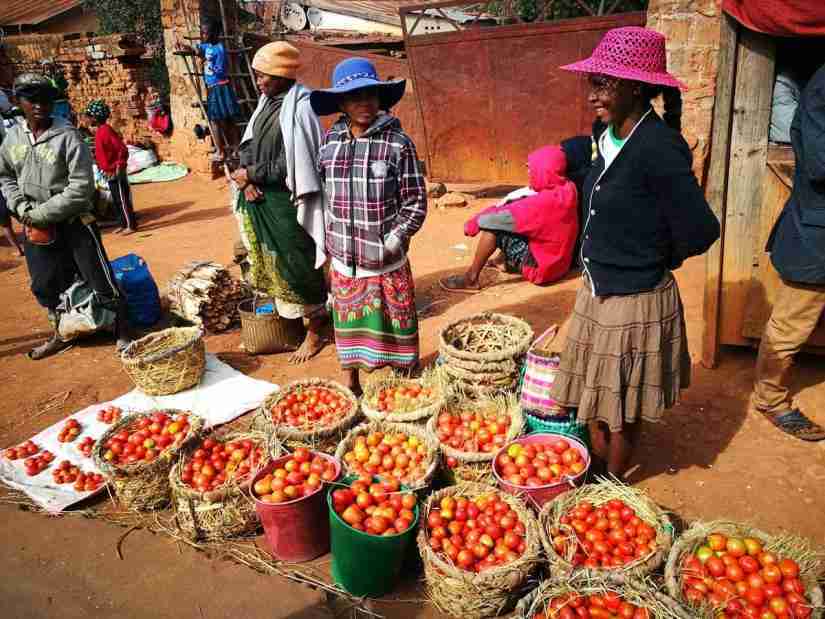
In Madagascar, meals are also moments of sharing. People often eat with family or neighbors, in a warm, friendly atmosphere. In villages, meals are slow-cooked over wood fires, while markets and roadside stalls offer traditional snacks for those on the go.
It’s a simple, generous, and deeply human cuisine—one that tells the story of the island with every bite.
Conclusion: A Culinary Experience You Shouldn’t Miss
Exploring Madagascar also means tasting its true identity through its food. From street vendors to family-run restaurants, every meal is an adventure. Far from clichés, Malagasy cuisine is meant to be discovered, savored… and shared.