
The Artisanal Treasures of the RN7: A Journey to the Heart of Malagasy Culture
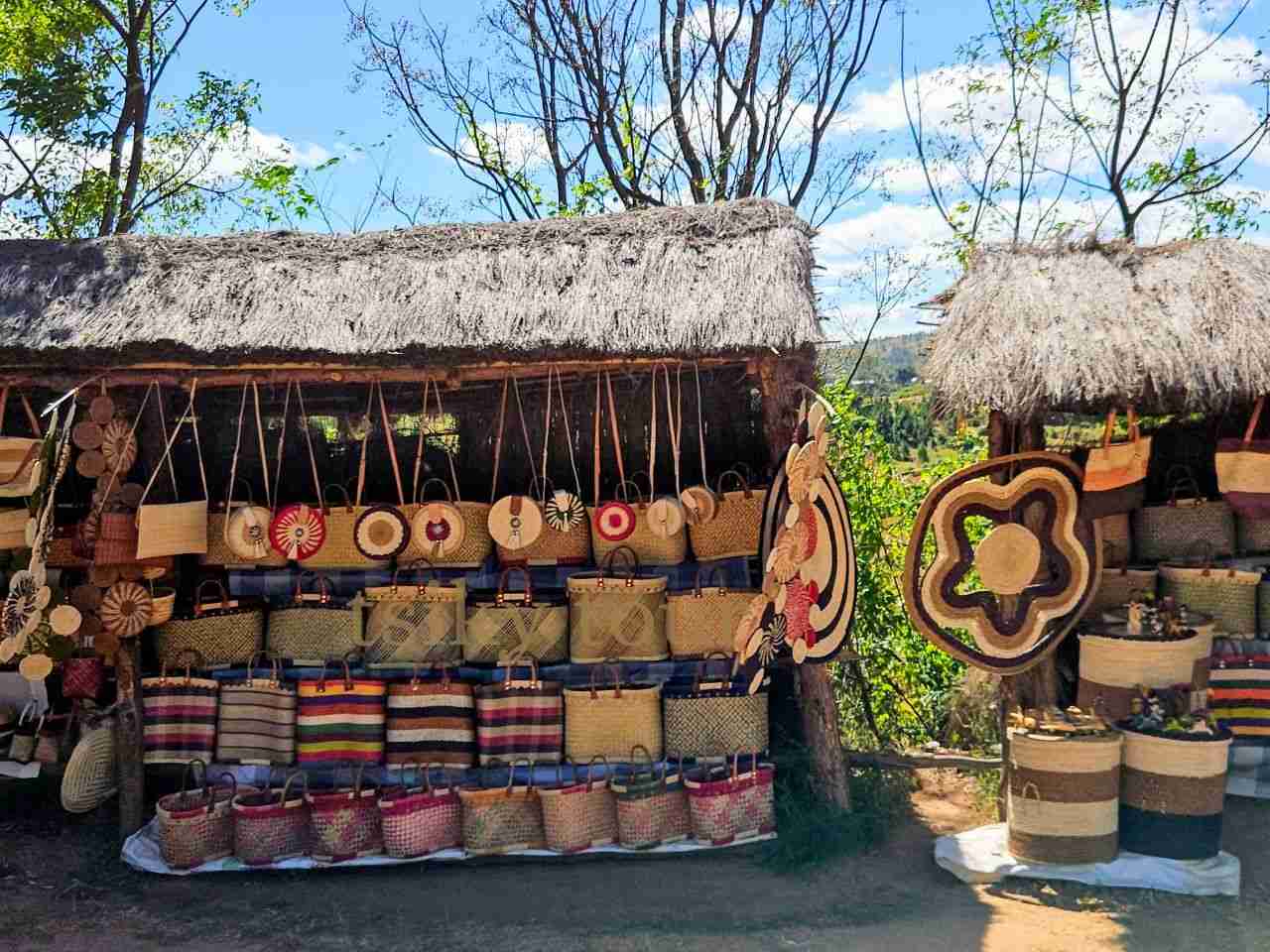
Madagascar's National Road 7 (RN7) is more than just a highway connecting the island's major cities. It is a cultural route offering travelers the chance to discover local crafts in all their splendor. Along this iconic road, you will find numerous artisan markets brimming with handmade products that reflect the richness and diversity of Malagasy heritage. This article focuses on the main content: the importance of Malagasy craft along RN7, popular products, support for local artisans, and practical tips for travelers.
1. The Importance of Craft on RN7
Craft is an essential pillar of the Malagasy economy, especially along RN7, where artisan markets flourish. These markets are not just places of commerce; they are spaces where ancestral skills are passed down. Malagasy craft along RN7, often rooted in family traditions, represents a crucial source of income for many local communities. Each item sold tells a story—of a family, a tradition, or a region of Madagascar. For travelers, stopping at these markets is a way to enrich their experience of the country, discovering local crafting techniques and learning more about Malagasy customs. The purchases made in these markets are not just souvenirs; they are tokens of support for a local economy that relies on tourism to thrive.2. Popular Malagasy Craft Products on RN7
The markets along RN7 are renowned for their varied and unique craft products. Here are some of the most sought-after items in Malagasy craft RN7:- Raffia Bags: Handwoven from natural fibers, raffia bags are emblematic of Malagasy craft. Each bag is a unique piece, often decorated with traditional or contemporary patterns.
- Baskets and Wickerwork: Made from local materials such as sisal, these baskets are both functional and aesthetic. They are used for storage and as decorative elements.
- Woven Hats: These hats are another specialty of Malagasy craft. Designed to protect from the tropical sun, they have also become popular fashion accessories.
- Tapestries and Wall Hangings: Often inspired by Madagascar's wildlife, flora, and cultural motifs, these pieces are works of art that enhance interiors while telling stories.
- Wooden Sculptures: Madagascar is also known for its wooden sculptures, ranging from small figurines to elaborate furniture. These items are the result of meticulous craftsmanship, often using precious local woods.
3. Supporting Local Artisans
Buying directly from artisans along RN7 is a direct and meaningful way to support the local economy. Unlike industrialized products, each handmade item purchased in these markets helps preserve traditional skills and sustain entire families. Moreover, by choosing these purchases, travelers contribute to responsible tourism that values the local economy and reduces the carbon footprint associated with importing goods. Supporting local artisans also means contributing to the preservation of Malagasy culture. Techniques and patterns passed down through generations are thus perpetuated, and Madagascar's rich cultural heritage continues to be shared with the world.4. Practical Tips for Travelers
For travelers looking to fully enjoy their experience along RN7, here are some practical tips:- Explore Multiple Markets: Each market along RN7 has its specialties. Take the time to stop at different locations to discover a variety of products.
- Negotiate Respectfully: Bargaining is part of the market culture in Madagascar. However, it's important to do so respectfully, keeping in mind that these artisans rely on their work to make a living.
- Look for Authenticity: Ensure that the products you buy are handmade and sourced from local artisans. Authentic items often have superior quality and a story to tell.
- Bring Cash: Artisan markets are often located in rural areas where card payments are not available. Make sure to bring enough cash for your purchases.